 Philadelphia Union Hub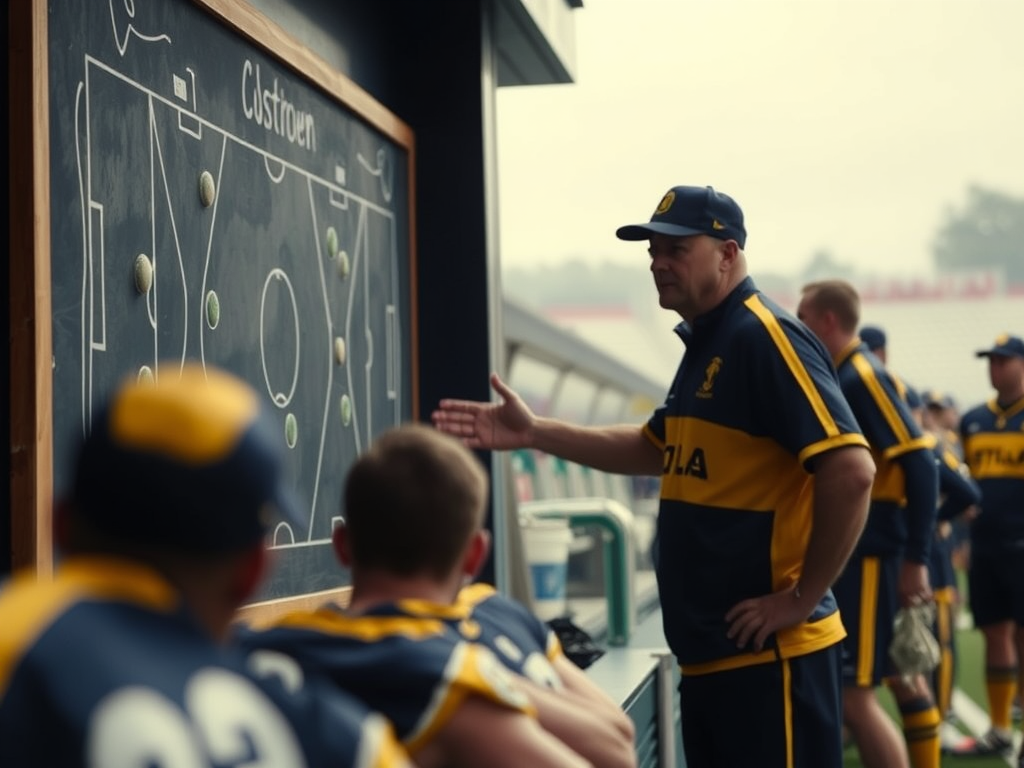
Recalibrating the Union: Tactical Adjustments for Consistency
The Philadelphia Union have shown glimpses of brilliance this season but have also experienced frustrating inconsistencies in their performances. A tactical analysis of recent matches indicates that while their foundational strategies are sound, a few adjustments could significantly enhance their overall effectiveness.
Formation Flexibility
Currently operating primarily in a 4-4-2 diamond formation, The U has enjoyed success in controlling midfield and generating offensive opportunities. However, this setup can sometimes leave the flanks vulnerable, particularly against teams that utilize wide play to stretch the defense.
Suggested Adjustment: Transitioning to a 4-2-3-1 formation could provide a more balanced approach. By deploying two holding midfielders, the Union can maintain defensive stability while allowing greater freedom for the attacking midfielder to connect with the forwards. This shift not only bolsters the central area but also enables the wingers to exploit their pace and creativity, making the team less predictable.
Defensive Cohesion
Defensively, The U has displayed moments of vulnerability, especially under high pressure. Opponents often capitalize on transitional phases where the Union's backline can be caught out of position. Cohesion is crucial, and recent performances suggest that communication among defenders needs to be sharpened.
Suggested Adjustment: Implementing a zonal marking system during set pieces could enhance defensive organization. This approach would allow defenders to focus on maintaining their spatial awareness rather than tracking individual players, which can lead to lapses in concentration. Additionally, training sessions focusing on defensive drills that simulate high-pressure situations may help players react more instinctively in matches.
Midfield Dynamics
In the midfield, while the Union's combination play has been effective, there have been instances where the tempo has dropped, allowing opponents to regain their shape. The balance between defensive duties and attacking support is vital, and some players may be overburdened with responsibilities, leading to fatigue and decreased effectiveness.
Suggested Adjustment: Introducing rotation into the midfield lineup can alleviate pressure on key players while maintaining energy levels. Utilizing a more dynamic midfield rotation, where players are given specific roles to press or drop back based on game situations, can help keep the opposition guessing. This change may also open up more spaces for creative players, like E. Alladoh, to exploit.
Exploiting Set Pieces
Set pieces have often been a game-changer in matches, and the Union's recent form indicates that there is untapped potential in this area. While their defensive set pieces have shown improvement, attacking set pieces have lacked the cutting edge needed to convert opportunities into goals.
Suggested Adjustment: An overhaul of set-piece strategies, including varied delivery methods, could catch opponents off-guard. Incorporating rehearsed routines that involve movement and deception can create openings for key players to find space in the box. The coaching staff should consider bringing in set-piece specialists to refine these tactics and enhance scoring opportunities from corners and free kicks.
Conclusion
The Philadelphia Union have the tools necessary to elevate their game, but fine-tuning specific tactical elements could be the key to unlocking their full potential. By embracing flexibility in formation, enhancing defensive cohesion, optimizing midfield roles, and capitalizing on set pieces, The U can carve a path towards a more consistent and successful season. As fans in Chester rally behind their team, the hope is that these adjustments will lead to a stronger, more unified showing on the pitch.